
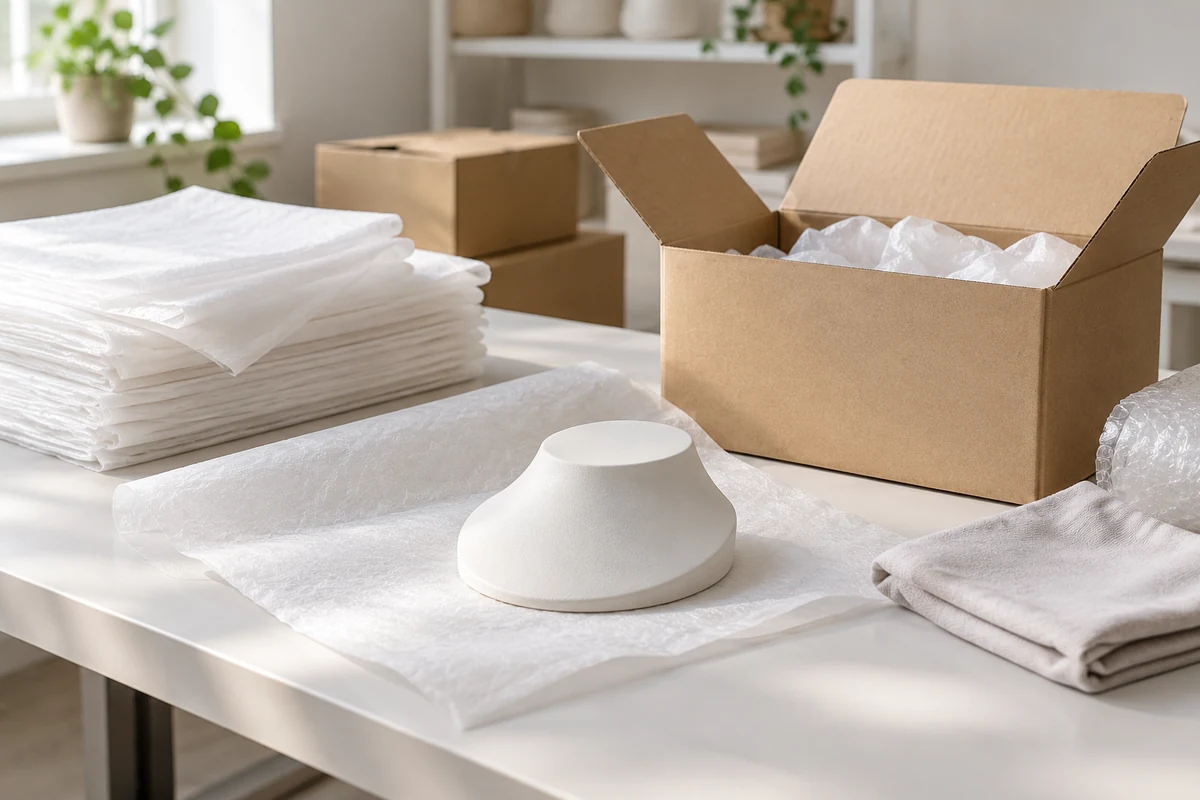
Agree what the sample represents
Before evaluating a sample, record its configuration, material, finish and the features it is intended to demonstrate. Ask which elements differ from the proposed production configuration and whether the sample is for appearance, fit, construction or another specific purpose. A single sample may not answer every question.
For example, a sample may establish the appearance of a painted finish while using a different base from the proposed order. Photograph and review those two facts separately. If the base is important to installation, request the relevant dimensions or a separate confirmation instead of inferring them from the sample.
Use a consistent review
Compare the sample with the written brief and the actual merchandise or support it must work with. Inspect visible surfaces, connections and dimensions using a consistent method. Photograph the relevant views in suitable light and note whether a finding is an objective measurement or a visual preference.
Record decisions and changes
Keep comments specific: identify the part, the observed issue and the requested change. A statement that a finish should be better is difficult to interpret; a photograph and description of the area provide a clearer basis for discussion. Ask the supplier to confirm which changes are possible and how they affect the proposed specification.
Use a review sheet with the brief, observations, photographs and decisions. Send specific questions back to the supplier and retain the response alongside the approved reference.
Connect approval to the order
Retain the approved reference and dated specification with the order documentation. Confirm which production details, tolerances, inspection arrangements and packaging are actually agreed. Approval of an appearance sample alone should not be treated as evidence of a separate performance test or guarantee of future availability.
If the sample is reviewed by several people, agree on the criteria before collecting comments. Separate a required correction from a preference that could be reconsidered. A dated photograph with a marked location helps avoid confusion when discussing a small detail. Where a measurement matters, state how it was taken and ask the supplier to confirm the corresponding production specification. Keep the final decision accessible to the ordering team.
Before signing off, ask the people who will assemble and dress the fixture to review the relevant parts. Their observations can expose a handling issue that is not apparent from an appearance review alone.
Project checklist
- State what the sample is meant to demonstrate and identify any differences from the proposed production configuration.
- Check actual garment fit, component connections and critical dimensions against the agreed written brief.
- Record surface observations in consistent light and distinguish measured findings from visual preferences.
- Photograph the specific part involved in each requested change and describe the desired outcome.
- Ask the supplier to confirm feasibility and any effect on the proposed configuration and terms.
- Keep the dated approval, remaining questions and supplier response together with the order documentation.
Further reading
See Genesis Mannequins, Product Features and FedEx, Packing Breakables. The sources provide context; confirm details for the configuration you use.